Affordable House Painters in Ames IA
Your Comprehensive Resource to Hiring Professional House Painting Professionals: Everything You Should Know
Selecting reliable house painters involves more than just picking the first name that appears. A organized approach is vital. Potential clients must consider credentials, experience, and insurance coverage. Evaluating portfolios can reveal the painter's meticulousness. Additionally, asking the right questions and comparing estimates can avoid costly mistakes. Understanding key contract elements is also essential. What specifics should one focus on to guarantee a successful outcome? The answers may surprise you.
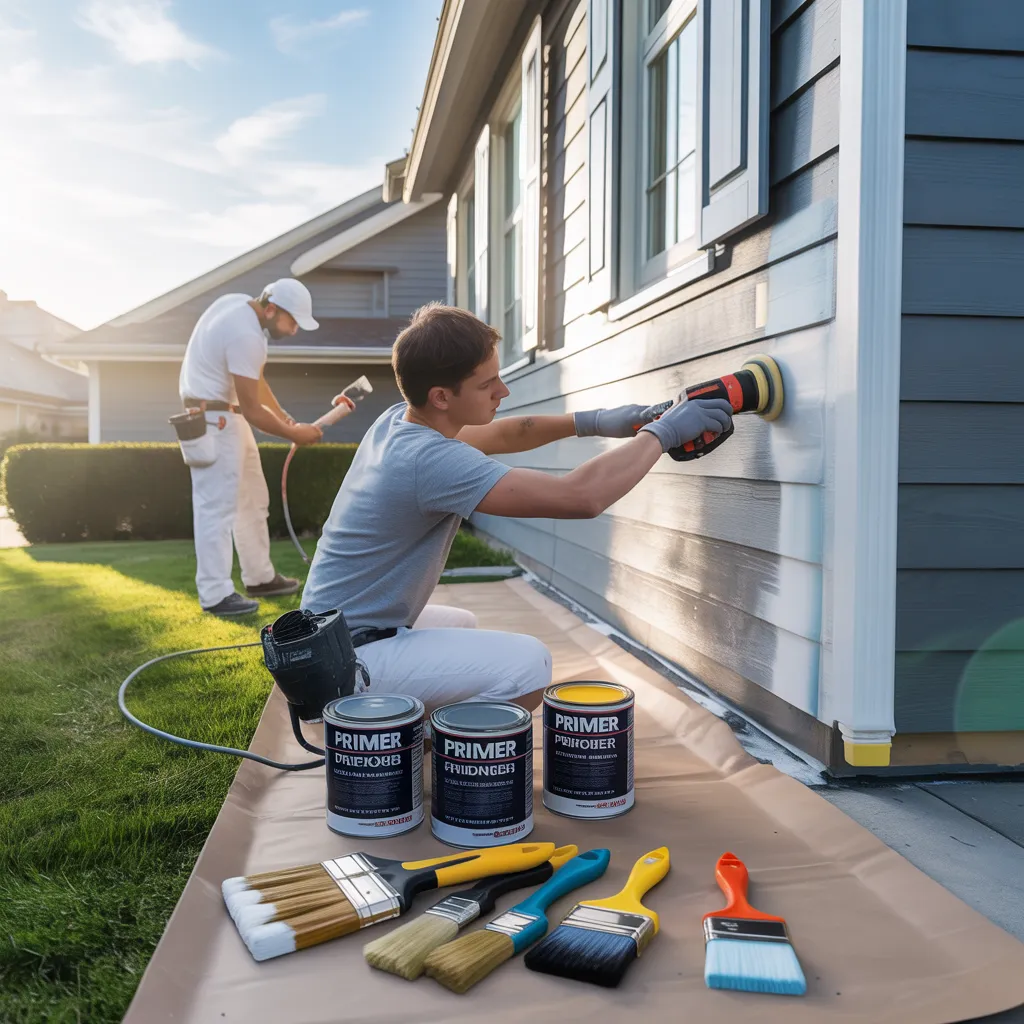
What Abilities Should You Consider in a Painter?
When picking a house painting professional, it is essential to review their credentials to ensure a superior result. Key qualifications include practical experience, which exhibits the painter's familiarity with different methods and products. A valid licensing is necessary, as it shows compliance with regional codes and safety protocols. Insurance protection is another critical consideration; it guards both the painter and the homeowner in case of accidents or damages. Additionally, certifications from reputable organizations can signify advanced training and professionalism. Testimonials from past customers provide insight into the painter's reliability and work quality. Finally, a thorough understanding of color science and paint options can improve the overall aesthetic of the project. By thoroughly evaluating these credentials, homeowners can choose wisely and hire a painter who will produce satisfactory results.
Steps to Inspecting a Painter's Portfolio
Examining a painter's portfolio entails reviewing the assortment of projects presented and appraising the general merit of their craft. A varied selection of finished pieces can suggest range and flexibility to different client needs and styles. Furthermore, careful attention to detail in the portfolio can uncover the painter's ability level and commitment to superior standards.
Review Venture Assortment
Reviewing a painter's body of work shows the range and scope of their skills and experience. A varied collection of work showcases the painter's ability to handle different approaches, methods, and assignments, ranging from residential interiors to commercial exteriors. Future clients should seek out examples showcasing varied palettes, source textures, and applications, which suggest versatility. Additionally, reviewing projects of varying sizes can offer understanding of the painter's adaptability and project management skills. It is similarly vital to evaluate how well the painter has completed challenging work, as this indicates their competency with special requirements. Ultimately, a comprehensive body of work not only highlights artistic talent but also assures clients of a painter's competence throughout different scenarios and specifications.
Verify Standard of Work
Evaluating the quality of a painter's work demands a keen eye for detail and an appreciation of craftsmanship. A comprehensive portfolio displays a painter's versatility and skill. Prospective clients should review before-and-after photos, paying attention to smooth finishes, clean lines, and consistent color application. It is essential to look for a variety of projects, including different styles and techniques, to gauge the painter's adaptability. Client testimonials and reviews can provide insight into the painter's reliability and professionalism. Additionally, visiting completed projects, if possible, enables firsthand assessment of workmanship. Ultimately, a well-rounded evaluation of a painter's portfolio will help determine if they meet the desired standards for quality and aesthetic appeal.
Key Topics to Bring Up with Your House Painter?
When picking a house painter, what vital questions should homeowners ask to guarantee a successful project? Initially, they should request info on the painter’s background and references. Understanding how long the painter has been in business and checking past client testimonials can offer valuable insight into their trustworthiness. Homeowners should also inquire about the kind of paint and materials the painter uses, making sure they are top quality and suitable for the specific job. Moreover, it is important to clarify the timeline for project completion and whether there might be any possible delays. Homeowners should go over the estimated cost, including labor and materials, to prevent unexpected expenses later. Finally, they must confirm whether the painter provides warranties or guarantees on their work, giving assurance of quality and longevity. By asking these vital questions, homeowners can make educated decisions and help ensure a smooth painting experience.
Strategies for Assessing House Painter Estimates
After collecting key information through questions, homeowners often obtain multiple quotes from various house painters. To properly compare these quotes, it is crucial to look beyond the overall cost. Homeowners should check the scope of work outlined in each estimate, ensuring that all painters are bidding for the same jobs, including surface preparation, number of paint coats, and materials applied.
Moreover, looking at the estimated timeline for project completion can expose inconsistencies in productivity. Homeowners should also weigh the reputation and experience of each painter, as lower costs may indicate a lack of quality or reliability.
Ultimately, it's beneficial to assess any warranties or warranties provided, as these can offer insight into the painter's faith in their work. By thoroughly examining these elements, property owners can make an informed decision that ensures they select a quality house painter who meets their particular needs.
Key Contract Terms to Secure Quality Painting Services
A well-drafted contract is essential for securing high-quality painting services. It should clearly outline the scope of work, identifying the surfaces requiring paint and the kinds of supplies to be used. This transparency helps avoid confusion and guarantees that both parties have aligned expectations.
The contract must also include a clear timeline, showing start and completion dates. Payment terms need to be explicitly defined, covering deposit amounts and final payment terms. Moreover, it is crucial to set out provisions for liability and insurance coverage, shielding the homeowner from possible damages during the project.
Warranties on workmanship and materials should be stipulated to warrant endurance and superiority. Finally, establishing a stipulation for dispute resolution can establish a clear framework for resolving any issues that may arise. These principal components together enhance to a productive painting project, delivering both merit and peace of mind for the homeowner.
Verify Quality Work Upon Completion of the Painting Project
Preserving quality work after a paint project necessitates careful inspection and maintenance. Homeowners should conduct a thorough walk-through to uncover any imperfections, like streaks, skipped areas, or inconsistent finish. These issues should be noted and communicated to the painting contractor promptly, facilitating for speedy remediation.
Furthermore, maintaining the painted surfaces is essential for durability. Homeowners should steer clear of harsh cleaning products and instead use mild solutions that won't damage the paint. Frequently inspecting for signs of wear, such as flaking or fading, can help address issues before they escalate.
It is also recommended to create a follow-up schedule with the painting professional. Some professionals provide warranties or touch-up services, ensuring continuous excellence. By taking initiative, property owners can extend the life of their painted surfaces and preserve the visual beauty of their property, ultimately increasing its value.
Regularly Posed Questions
How much time Will the Painting Project Take to Complete?
The length of a paint job can differ significantly, generally spanning from a few days to several weeks. Factors influencing this timeline include the project's size, complexity, weather conditions, and the experience of the painter.
What Kinds of Paint Would You Recommend for My Dwelling?
Quality house painters often recommend acrylic latex for interiors due to its long-lasting finish and simple maintenance, while exterior surfaces gain advantages with oil-based paints for protection against the elements. Additionally, environmentally conscious choices are increasingly favored for homeowners concerned about wellness.
Are There Any Guarantees or Warranties Provided for Your Work?
Many well-regarded house painters extend coverage agreements for their projects, guaranteeing customer satisfaction and confidence in the caliber of their work. It's advisable for property owners to ask regarding specific terms before employing a painter.
Will You Tidy up After the Job Is Complete?
Most trusted house painting contractors offer complete tidying after concluding the job. They generally eliminate any waste, paint drips, and materials used, making the space neat and prepared for the homeowner's enjoyment and use.
Can you provide references from past customers?
Experienced house painters should willingly present contact information from satisfied clients. These references demonstrate their professionalism, workmanship, and reliability, assisting prospective clients in choosing well informed by satisfied customers' successful outcomes with their services.